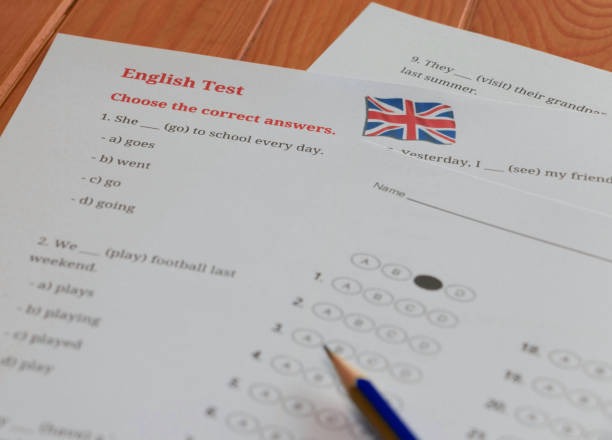
Figuring out how to study overseas? First big step - showing you can handle English. Most schools in places like the US, Canada, or Australia won’t accept applicants unless they’re fluent. That rule hits nearly everyone who didn’t grow up speaking it.
The bright side? There's options now. Those times when IELTS or TOEFL were your sole picks have passed. Right now, the Duolingo English Test shows up as a solid, fresh choice instead.
When you’re picking a study abroad path, things can get messy. So, we’ve dug deep - checking entry rules and exam quirks - to bring clear tips made for real students. Not just listing facts, but showing which test fits your money plan, schedule, or how you learn best.
The Core Difference: Understanding Each Test's Philosophy
To pick the right test, get clear on what each one checks plus how it works. These exams feel totally unlike each other.
1. IELTS (International English Language Testing System)
The Classic Standard: IELTS has been around a while, trusted worldwide by more than 11,000 groups - so it's often the go-to choice when applying somewhere.
Philosophy: Checks how well you communicate using realistic, hands-on activities. Instead of theory, it focuses on everyday situations where you need English - like talking at school or chatting socially.
It's a fixed-format exam, usually done by hand on paper - like in IELTS Academic - or typed out, which happens in General Training or the computer version. As for speaking, you’ll talk directly with a real person every time.
2. TOEFL iBT (Test of English as a Foreign Language - Internet-Based Test)
The Academic Specialist: Built mostly by ETS to check how well someone handles English in U.S. or Canadian college environments.
Philosophy: Tests combined abilities - checks how smoothly you handle reading while taking in audio, then replying by speaking or writing. Works like real college work - say, hearing a talk, later putting the key points into your own words on paper.
A totally online test run through a computer. For the speaking part, you speak into a mic - your answers get checked afterward by real people along with automated systems.
3. Duolingo English Test (DET)
The fresh contender: a rising force that took off fast when lockdowns hit, quickly becoming one of the big names.
Philosophy: Checks overall English ability plus how well you adjust. Instead of fixed levels, it uses smart tech that changes question toughness right away depending on what you answered before. The test zeroes in on active skills - like talking and putting words on paper - not just picking options.
A fully digital test you can take anytime from anywhere. Features special tasks such as hands-on reading and live listening exercises - linked by seamless transitions. Your overall performance gives one combined mark at the end. Voice responses are captured using your built-in camera and microphone.
Head-to-Head Comparison: Cost, Duration, and Logistics
If cash is tight for your customers while they race deadline dates, getting details right makes the biggest difference.
Key Logistics: Duolingo English Test (DET)
- Cost: around $49 - way less expensive.
- Total time: about 60 minutes.
- Wherever you are, use your own PC.
- Scheduling: whenever you need it, no set time, round-the-clock.
- Got results in about two days.
- Get your score report at no cost - forever. Share it with any school you want.
Key Logistics: IELTS Academic
- Around $200 to $250, give or take.
- Total time: around 2 hours 45 mins, then a chat session after.
- Place: Approved testing spot - either paper-based or digital.
- Scheduling: Set days, usually every few weeks or so.
- Results come back in 3 to 5 days by computer - or up to 13 if it's on paper.
- Free score reports: 5. Once you hit that limit, extra ones cost more.
Key Logistics: TOEFL iBT
- Price usually hits around $200 to $250.
- Total time: about 2 hours.
- Test spot: either an approved center or your own home using TOEFL iBT online setup.
- Scheduling sticks to set days - usually every few weeks, around three or four times monthly.
- Turnaround: about a week, sometimes less or more.
- Free score reports: 4 - you’ll pay extra after that.
Here’s the bottom line: if you’re low on cash, short on time, or just need another shot fast - the DET’s your best bet. It costs only $49, which helps when funds are tight. Getting results in 48 hours? That makes a big difference when deadlines loom close. For urgent college apps, this test skips the wait and cuts right through delays.
Sectional Breakdown: What Your Students Will Actually Do
The actual contrast comes down to how the test feels. That’s when your clients’ ways of learning decide what works better.
1. Reading & Writing
Duolingo English Test (DET): Focus on Speed and Adaptability
Reading Format: Changes as you go. Packed with cool challenges - try the C-test, where you guess missing letters, pick actual English words from fakes, or join an Interactive Reading game that lets you finish a story your way.
Short tasks with different styles - one asks you to explain what’s shown in a picture, another wants your voice turned into text, while the third needs around three to five minutes of written work.
One big hurdle? Moving fast while staying flexible. Jumping between jobs needs quick thinking, yet handling shifts smoothly matters just as much.
IELTS: Focus on Focus and Detail
Three lengthy, tricky texts taken from scholarly stuff - like research papers. Tasks involve saying if statements are right, wrong, or can't tell. Also pair titles with sections. Fill in gaps within overviews.
Writing Format: Task 1: Describing a graph, chart, or process. Task 2: A long argumentative essay (250+ words).
Staying sharp is tough - especially when you're wading through pages of tight paragraphs or wrestling with tricky formats. It’s hard to keep track without missing small things along the way.
TOEFL iBT: Focus on Integration
Each section brings a few big blocks of text - around three or four. After that, you’ll see normal multiple-choice questions. The layout stays consistent every time.
Reading plus listening task: Check a text, hear a talk, then share thoughts or respond. Class chat style: Act like you're joining a student conversation online.
Biggest hurdle? Putting it together. Pulling details from both text and audio, then shaping them into a single clear answer.
Consultant Advice:
If your kid thinks fast, uses words well in quick chats, yet finds long papers tough - go for DET.
If they stay focused, handle detailed reading well, or prefer the standard five-part essay format - IELTS fits just right.
If you're into taking notes: when you enjoy sitting through talks while pulling info from various spots, TOEFL fits just right - so it’s a solid match.
2. Listening
Duolingo English Test (DET)
Adaptive meets hands-on. You’ll type out a phrase after hearing it, pick actual English terms from options, or join a chat-like listening challenge that feels like talking with someone.
Biggest hurdle: getting spelling right while fast-spotting real English versus gibberish.
IELTS
One recording at a time - like chatting, talking alone, debating ideas, or teaching. Play each one just once; you respond right after. While listening, start thinking about answers. No repeats. All four are different styles.
Handling several things at once is tough. Pay attention while reading, then write responses - all in one go needs sharp guessing ability.
TOEFL iBT
Long talks or deep chats, usually full of school-style words.
Staying focused is tough - those recordings go on forever. Plus, jotting down every little thing? That’s a real drag. Each clip demands attention nonstop, so notes pile up quick. It’s not just listening - it’s keeping track while things unfold slowly.
Here’s the thing - focus matters most. IELTS means you're writing while keeping up with spoken parts at the same time. On the flip side, TOEFL asks you to take thorough notes nonstop for a stretch. Meanwhile, DET checks how fast you remember stuff and get small bits right under pressure.
3. Speaking
This part’s usually the toughest - and kind of nerve-racking too. Talking to a machine isn’t anything like talking to a person.
Duolingo English Test (DET)
Responses saved as recordings: talking about pictures, saying sentences out loud, also a longer spoken part that lasts 3 minutes.
Grader: Smart software plus real people check big answers at the end.
Staying smooth, keeping pace, staying calm while speaking into a camera. Having to keep going without pauses feels tough.
IELTS
Meet an official tester in person. It’s split into three bits: first, you say hello and chat a bit; next, you speak non-stop using your notes - just two minutes; finally, you dive into a deeper conversation about the topic.
Grader: A person checking your work face-to-face, right there.
One big issue? Talking back and forth like real people do. Keep answers flowing without sounding robotic or stiff. When someone asks more, just reply - no pauses that feel off. Say things clearly so they’re easy to get. Grammar should make sense but not seem forced.
TOEFL iBT
Got recordings for four tasks - reading, listening, then talking - all mixed together. You’ll get just 15 to 60 seconds to ready yourself per task. Each one follows the last without a break. Time’s tight, so focus fast once you start.
Human raters work from remote spots - AI steps in for extra scoring bits.
Biggest hurdle? Putting it all together fast. You’ve got to sort through various materials - then build a clear answer quickly. Time’s tight, so skip fluff. Pull facts from different spots - but keep it smooth. No rambling. Just connect ideas simply: use this instead of that, swap words often, make each line feel fresh. Stay sharp, stay short.
Consultant Takeaway:
For outgoing students: if they’re at ease chatting live and coping with interview stress, IELTS fits well.
If you're quiet but good with tech - say, someone who freezes up in interviews yet speaks clearly once ideas are sorted - the spoken sections on exams like the DET or TOEFL can help. These formats let you talk without facing a person right away, which takes pressure off.
The Acceptance Factor: Which Test Do Universities Trust?
This is where the rubber meets the road. No matter how easy or cheap the test is, it must be accepted by the target university.
1. IELTS and TOEFL: Universal Trust
IELTS gets recognized by almost every university around the world - every school in the UK, Australia, NZ, and Canada take it, while most colleges across the US also accept it.
To some extent popular across America plus up north in Canada, it's usually what schools expect if you're studying there.
2. The Rise of the DET: Strategic Acceptance
Now used in more than 4,000 schools around the globe.
Some leading schools like Yale, Columbia, plus Duke take DET scores for specific courses - so does USC, along with NYU and Imperial College London.
The thing is: make sure you check what each course requires. A few tough grad schools could want IELTS or TOEFL instead of DET, even if the school says they accept it. Over in the UK and Australia, fewer places take the DET - so far behind compared to the U.S. and Canada.
Consultant Strategy:
Looking at the UK or Australia? Go for IELTS. Most places accept it, especially when you’re sorting out your visa - like UKVI stuff.
Eyeing the U.S. or Canada? Go with DET only if the student feels sure about it, and every school on their list accepts that test. If not, stick to TOEFL - it's what most folks use.
Strategic Scoring: How Scores Translate
Comparing scores straight up isn't easy, yet loose matches are out there. Schools list the lowest score they accept per exam - say, IELTS 6.5 - or TOEFL hitting 90, or even DET at 120.
Approximate Score Equivalencies
Advanced Proficiency (Most common minimum for Master's programs):
DET Score: 140-160
IELTS Band: 7.5 - 9.0
TOEFL iBT Score: 102 - 120
High Intermediate (Most common minimum for Master's programs):
DET Score: 120-135
IELTS Band: 6.5 - 7.0
TOEFL iBT Score: 90 - 101
Mid-level skills - often expected for college entry courses
DET Score: 105-115
IELTS Band: 6.0
TOEFL iBT Score: 78 - 89
Lower Intermediate:
DET Score: 90-100
IELTS Band: 5.5
TOEFL iBT Score: 60 - 77
Here’s a key thing about the DET: since it changes based on your answers, it can tire you out fast. Your result shows just one number - some test-takers feel this isn’t as clear as getting four different scores like on IELTS or TOEFL.
Final Verdict: Which Test Should You Recommend?
The choice depends on the individual - it’s not one-size-fits-all. Check this outline tied to the student’s background:
Recommend Duolingo English Test (DET) if the student is:
In a hurry or cutting costs? $49 instead of $250 saves big - plus you get it done in just two days, which beats most options.
A solid general English speaker: they pull up words fast, speak smoothly - yet find lengthy school-style writing tough. Their flow’s natural, though organizing complex notes trips them up now and then.
Focusing on universities in the US and Canada - places that usually accept the DET more often.
Worried about in-person interviews? Doing the test from your place might ease the stress - feeling relaxed helps. Some folks freeze up when watched, but at home, there’s no pressure building up around them. It just feels safer that way.
Recommend IELTS if the student is:
Focusing on the UK, Australia, or NZ? That’s normal - and sometimes needed when applying for a visa (like UKVI).
Familiar with classic tests: they like clear sections that follow a set pattern while going through lengthy paper-based material.
An outgoing person or someone who interviews others usually does well when talking face-to-face, because they can change how they reply by reading the other person’s gestures. Rather than sticking to fixed answers, they go with what feels right in the moment. Their strength shows up most when there's back-and-forth energy. Since they pick up cues from tone and movement, live conversations suit them better than scripted ones.
Going for the strictest courses? A few PhDs - or super tough programs - still show just IELTS or TOEFL.
Recommend TOEFL iBT if the student is:
Focused tightly on skills used in North American schools: they’re aiming for U.S. colleges, so showing how well they can juggle classroom-style work matters - like hearing a talk then summarizing it right after.
A focused person who takes notes well - they stay tuned in for long stretches while pulling together ideas from different places without much fuss.
They’d rather type or talk to a device - using a keyboard or voice feels natural. A real human on the line? Not so much.
Our Consultant's Pro-Tip
Take the Free Practice Tests!
Each learner ought to try the real no-cost sample tests for every one of the three exams. How the layout seems, timing works, or question styles appear, will quickly show which version suits them best.
Try writing an essay with a time limit. Also, go through a practice speaking test to get ready.
Try jotting down notes while listening to a lengthy mock lecture.
Try the quick 15-minute preview - find out whether you're ready for fast-paced, shifting challenges.
The correct test? It’s the kind where you can actually show how well you speak English - no stress from weird formats getting in the way. Rely on your practice, pick smart, so you hit the score needed for the college you’ve always wanted.
Book a Free 30-Minute Counselling Session
Get a personalised shortlisting of countries and universities based on your profile, budget, and goals.